Picking your first system flash and keep seeing two names — Godox and Yongnuo? Both offer affordable flashes with 2.4 GHz radio control, TTL and high-speed sync (HSS). How do they differ, and which one will serve you for years?
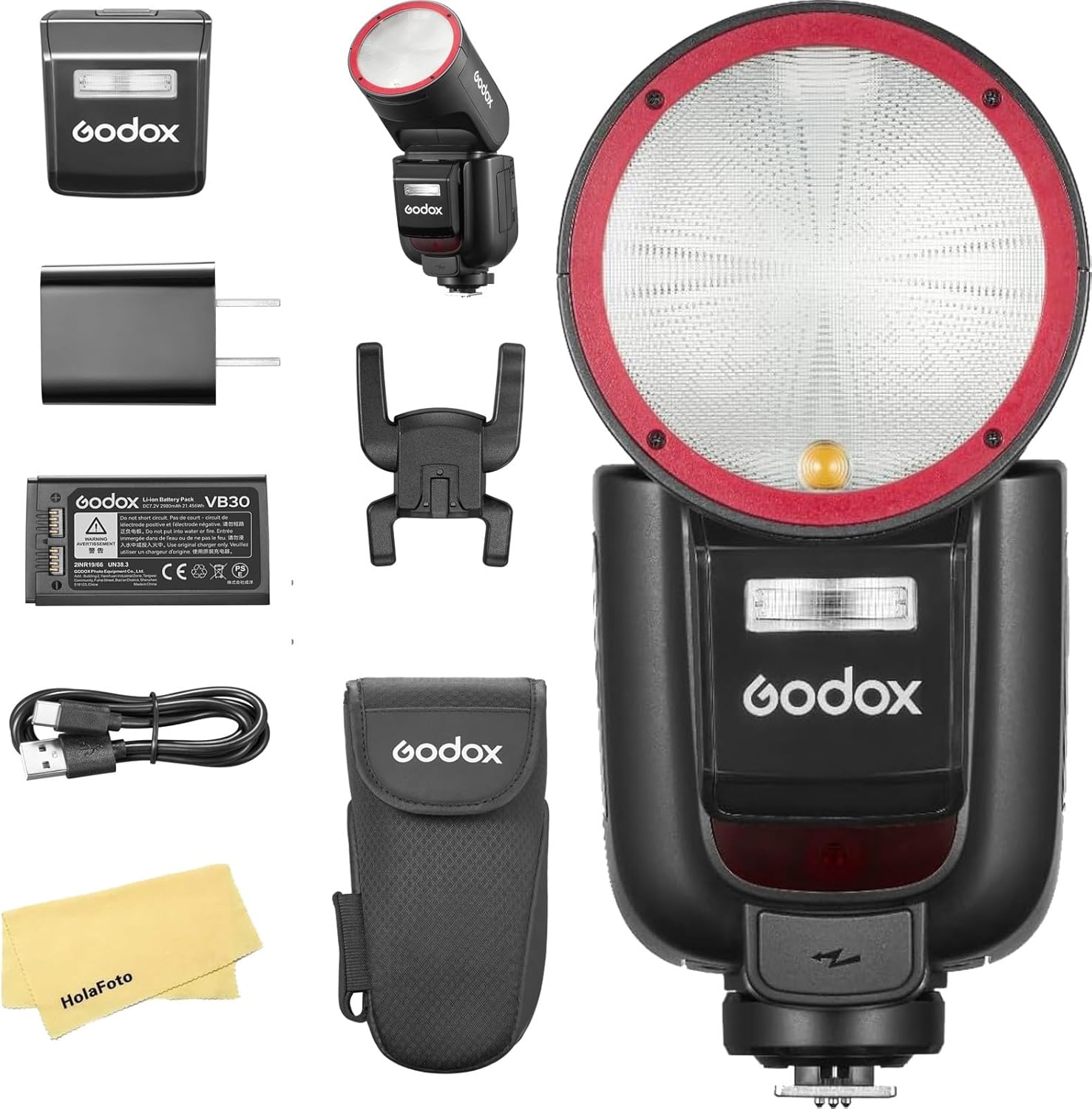
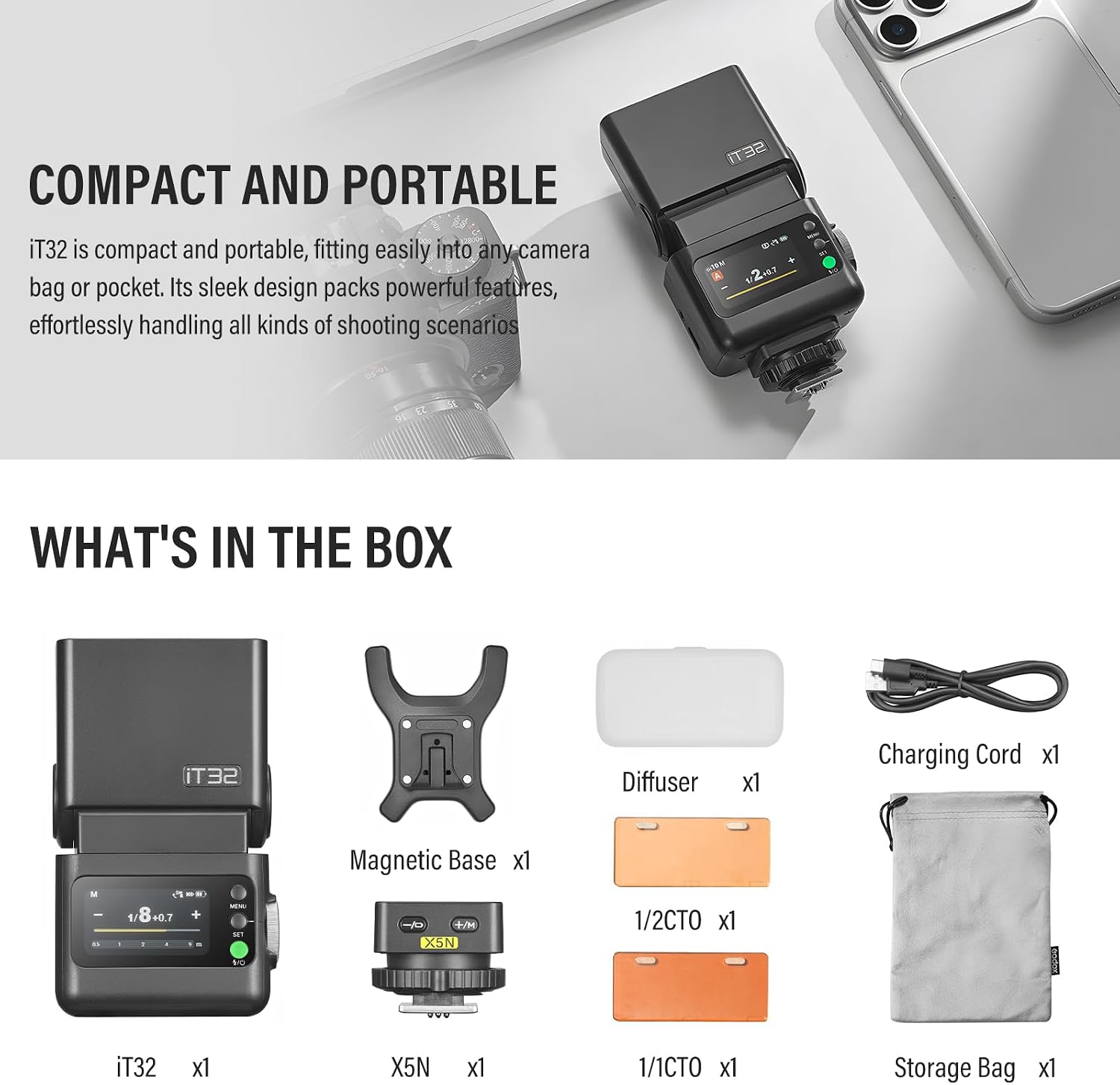
Godox's biggest advantage isn't one flash — it's the whole system. A single trigger controls tiny travel flashes, all-round units, studio strobes and LED lights, all on 2.4 GHz. Start with one flash and build a kit without ever switching systems.
Yongnuo makes sense when you want the absolute lowest price for one working flash and don't need a wide accessory range. Models like the YN560 (manual) or YN685 (TTL) get the basics done cheaply — just expect a narrower line-up and support.
Both systems do TTL and HSS (flash above sync speed, up to 1/8000s), with versions for Canon, Nikon, Sony, Fujifilm and OM System. Key rule: don't mix one brand's trigger with the other's flash — the Godox X and Yongnuo radio protocols aren't compatible.
Godox ships firmware updates that add new-camera support and fix bugs. Yongnuo updates are less frequent — fine on a cheap manual flash, more noticeable on TTL.
For most photographers Godox is the safe choice — its range, accessories and updates mean the system grows with you. Consider Yongnuo if it's purely about the lowest price for a single flash.